
Introduction: The Silent Testosterone Decline
Over the last few decades, testosterone levels in men have been declining at an alarming rate. Since 1999, average testosterone levels have dropped significantly. What was once considered a healthy range of 600–1500 ng/dL has now been replaced by 300 ng/dL being labeled as “normal.” In practical terms, this means many men today are functioning with hormone levels comparable to those of much older individuals.
This decline has far-reaching consequences. Low testosterone, medically known as hypogonadism, affects not only sexual health but also mental well-being, energy levels, muscle mass, and overall quality of life. At the same time, hormonal imbalance issues are not limited to men, and many women experience symptoms such as signs of high testosterone in women, which also deserve attention.
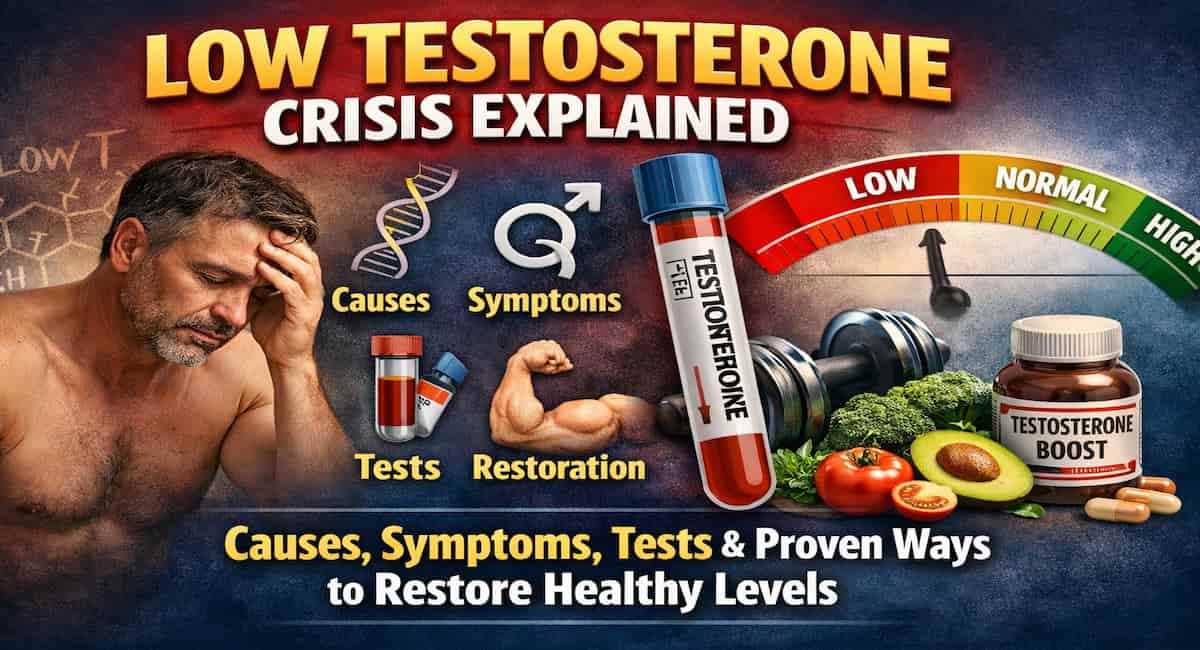
In this comprehensive guide, you’ll learn:
- What does low testosterone do to a man
- Normal testosterone levels in men
- Causes and symptoms of hypogonadism
- How environmental toxins lower testosterone
- How to increase testosterone levels quickly and safely
- Testosterone test options, prescriptions, and therapy choices
Understanding Testosterone and Its Role in the Body
Testosterone is the primary male sex hormone, though it is present in both men and women. In men, it is responsible for:
- Sexual desire and erectile function
- Sperm production and fertility
- Muscle mass and bone density
- Fat distribution
- Mood, motivation, and cognitive clarity
Normal Testosterone Levels in Men
According to most clinical guidelines, normal testosterone levels in men range from 300 to 1000 ng/dL. However, many experts argue that optimal health is often seen when levels are closer to 600–800 ng/dL, especially in younger men.
When levels fall below normal, the body begins to show noticeable signs of dysfunction.
What Does Low Testosterone Do to a Man?
Low testosterone can affect nearly every system in the body. Common symptoms include:
- Rock-bottom sex drive
- Erectile dysfunction
- Chronic fatigue and low energy
- Depression and mood swings
- Reduced motivation and confidence
- Patchy facial and body hair
- Loss of muscle mass and increased body fat

Over time, untreated low testosterone increases the risk of osteoporosis, cardiovascular disease, insulin resistance, and cognitive decline.
Hypogonadism: The Medical Term for Low Testosterone
Hypogonadism occurs when the testes fail to produce adequate testosterone. It can be classified into:
- Primary hypogonadism – a problem in the testes
- Secondary hypogonadism – a problem in the hypothalamus or pituitary gland
Both types can be caused or worsened by lifestyle factors, obesity, chronic stress, and environmental toxins.
Signs of High Testosterone in Women
Hormonal imbalance affects women differently. Signs of high testosterone in women may include:
- Excess facial or body hair (hirsutism)
- Acne and oily skin
- Irregular menstrual cycles
- Deepening of the voice
- Thinning scalp hair
- Increased muscle mass
Conditions such as polycystic ovary syndrome (PCOS) are common causes. While testosterone is essential for women too, an imbalance can disrupt reproductive and metabolic health.
Environmental Estrogenics: The Hidden Testosterone Killers
One of the most overlooked contributors to low testosterone is daily exposure to estrogenic chemicals. These compounds mimic estrogen and suppress natural testosterone production.
1. Plastics Everywhere
Plastics contain BPA, xenoestrogens, and other endocrine disruptors. Even “BPA-free” plastics can release estrogenic toxins.
Common sources:
- Plastic water bottles
- Food containers and packaging
- Polyester clothing
- Plastic-lined coffee cups
Safer alternatives:
Steel, glass, ceramic, or copper containers.
2. Toxic Toiletries and Personal Care Products
Many soaps, shampoos, and toothpastes contain parabens, triclosan, phthalates, and fluoride—all linked to hormonal disruption.
Better choices include:
- Natural soaps with essential oils
- Fluoride-free toothpaste
- Minimal-ingredient shampoos
3. Aromatics and Air Fresheners
Perfumes, deodorants, and scented candles often contain phthalates, which interfere with testosterone synthesis when inhaled.
Switch to essential oils, natural incense, or unscented alternatives.
4. Artificial Sweeteners and HFCS
Aspartame, sucralose, and high-fructose corn syrup (HFCS) negatively affect insulin sensitivity and may suppress genes involved in sex hormone production.
Replace with:
Honey, jaggery, fruits, or natural sweeteners in moderation.
5. Soy and Phytoestrogens
Soy contains isoflavones, which mimic estrogen. Research is mixed, but some studies show a 19–22% drop in testosterone with high soy intake.
If possible, choose alternative protein sources such as eggs, dairy, or legumes.
6. Harmful Cooking Oils
Vegetable, sunflower, and seed oils are often refined and contain trans fats.
Healthier fats include:
- Ghee or grass-fed butter
- Extra virgin olive oil
- Coconut oil
- Animal fats in moderation
7. Contaminated Water Supply
Tap water may contain pharmaceutical residues and estrogen compounds. Bottled water often adds BPA exposure.
Best practices:
- Use a charcoal or UV water filter
- Avoid single-use plastic bottles
- Use steel or copper bottles
Testosterone Test: How to Check Your Levels
A testosterone test is a simple blood test, usually done in the morning when levels are highest.
It may measure:
- Total testosterone
- Free testosterone
- SHBG (sex hormone-binding globulin)
If symptoms persist despite “normal” results, further evaluation is often needed.
Testosterone Therapy and Prescriptions
Testosterone Therapy Near Me
Many clinics now specialize in hormone optimization. Searching for testosterone therapy near me can help you find local providers offering:
- Injections
- Gels or creams
- Pellets
Testosterone Replacement Therapy Near Me
Testosterone replacement therapy near me is typically prescribed for men with clinically diagnosed hypogonadism. Therapy should always be supervised by a qualified healthcare professional.
Testosterone Prescription Online
In some regions, a testosterone prescription online is available after virtual consultations and lab testing. While convenient, it’s essential to ensure the provider is legitimate and follows medical guidelines.
How to Boost Testosterone Levels Quickly (Naturally)
Before considering medication, focus on lifestyle optimization:
Proven Strategies
- Sleep at least 7–8 hours nightly
- Strength train and lift weights regularly
- Reduce body fat percentage
- Get morning sunlight exposure
- Stay hydrated (3L+ water daily)
- Eat whole, nutrient-dense foods
These changes often lead to noticeable improvements within weeks.
Frequently Asked Questions (FAQs)
1. What does low testosterone do to a man long-term?
It increases the risk of infertility, osteoporosis, depression, metabolic disease, and reduced quality of life.
2. What are normal testosterone levels in men by age?
Levels peak in early adulthood and gradually decline, but most men should remain above 300 ng/dL.
3. How is hypogonadism diagnosed?
Through symptoms, blood tests, and evaluation of pituitary and testicular function.
4. Are signs of high testosterone in women dangerous?
If untreated, they can signal underlying conditions like PCOS and affect fertility and metabolism.
5. Is testosterone replacement therapy safe?
When properly prescribed and monitored, TRT is generally safe and effective.
6. Can lifestyle changes really improve low testosterone?
Yes. Many men see significant improvements by optimizing sleep, diet, exercise, and toxin exposure.
Conclusion: Protect Your Testosterone Before It’s Too Late
The modern world is filled with hidden threats to hormonal health. From plastics and polluted water to processed foods and toxic personal care products, testosterone is under constant attack. However, low testosterone is not inevitable.
By understanding what low testosterone does to a man, recognizing early signs, getting a proper testosterone test, and making informed lifestyle choices, you can protect and even restore healthy hormone levels.
Start with the basics. Optimize your lifestyle. Reduce toxin exposure step by step. And if needed, seek professional guidance for therapy or prescriptions. Your testosterone—and your long-term health—are worth defending.