
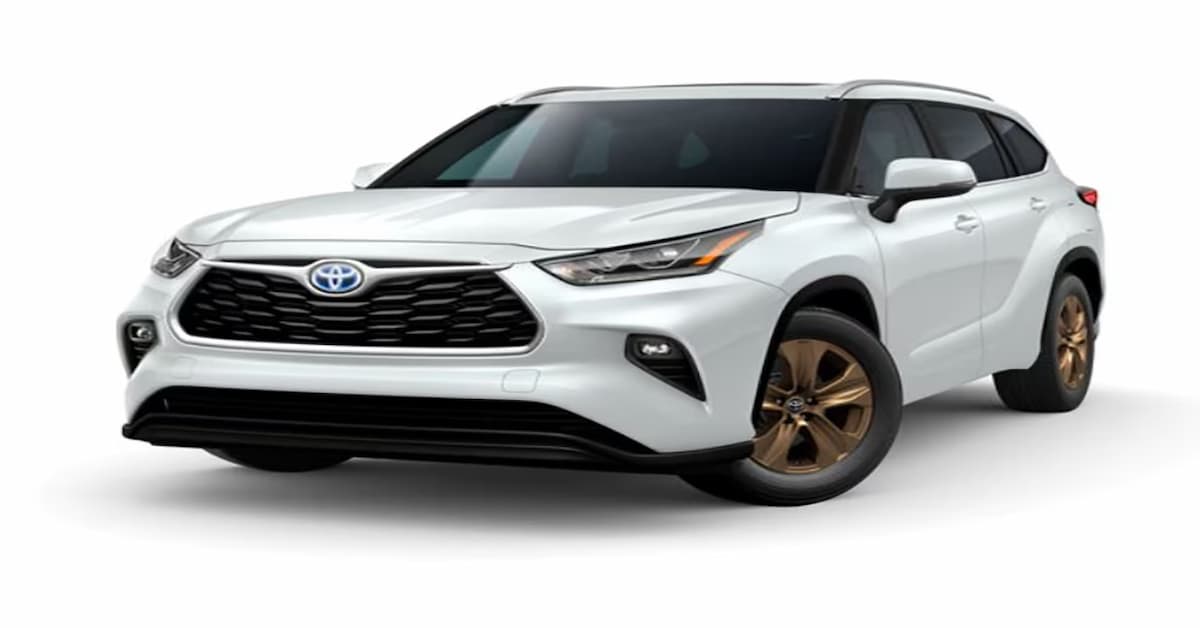
Hybrid cars have evolved from niche experiments to a mainstream choice for drivers seeking to reduce fuel costs and emissions without compromising convenience. As petrol prices rise and cities tighten pollution norms, hybrid electric cars are increasingly seen as a practical bridge between conventional vehicles and fully electric mobility.
This article explains what hybrid cars are, how they work, their advantages, and why they are gaining ground globally and in India’s car market.
What Is a Hybrid Car?
A hybrid car is a vehicle powered by two energy sources—typically a petrol engine and an electric motor. Instead of relying solely on fuel, the car uses electricity for part of its drive, improving efficiency and reducing emissions.
In simple terms, when people ask “what is a hybrid car?” or “what are hybrid cars?”, the answer is this:
They combine the strengths of petrol engines and electric motors to deliver better mileage, smoother driving, and lower environmental impact.
Most hybrid electric cars recharge their batteries automatically through regenerative braking, meaning there is no need to plug them in.

How Hybrid Electric Cars Work
Hybrid systems are designed to switch seamlessly between power sources:
- Low speeds or traffic: The electric motor often takes over, reducing fuel use.
- Highway driving: The petrol engine provides sustained power.
- Acceleration: Both systems may work together for better performance.
- Braking: Energy is recovered and stored in the battery.
This intelligent energy management is the reason an electric hybrid car can deliver higher mileage than a traditional petrol vehicle.
A Brief History of Hybrid Vehicles
Hybrid technology is not new. Experiments date back over a century, but modern hybrids entered public awareness in the late 1990s. The launch of the Toyota Prius marked a turning point, proving that hybrids could be reliable, efficient, and commercially viable.
Since then, almost every major automaker has developed hybrid models, refining battery technology and reducing costs.
Advantages of Hybrid Vehicles
The advantages of hybrid vehicles explain their growing popularity:
- Better fuel efficiency: Especially in city driving.
- Lower emissions: Reduced carbon dioxide output compared to petrol cars.
- No range anxiety: Unlike full EVs, hybrids do not depend on charging stations.
- Quieter operation: Electric drive improves comfort in traffic.
- Lower running costs: Less fuel consumption over time.
For many buyers, hybrids offer a realistic step toward cleaner mobility without lifestyle changes.
Best Hybrid Cars Globally
Globally, the best hybrid cars are judged on efficiency, reliability, comfort, and overall value. Long-standing leaders include models from Toyota, which has invested heavily in hybrid technology for decades.
Other manufacturers now offer competitive options, but Toyota’s early start has given it a strong reputation in this segment.
Hybrid Cars in India
Interest in hybrid cars in India has grown steadily, driven by rising fuel prices and urban congestion. While full electric infrastructure is still developing, hybrids suit Indian conditions well because they do not require external charging.
Several models now combine petrol engines with electric assistance to deliver strong mileage figures, particularly in stop-and-go traffic common in Indian cities.
Best Hybrid Cars in India
When discussing the best hybrid cars in India, buyers usually focus on:
- Fuel efficiency
- Long-term reliability
- Brand service network
Toyota has emerged as a key player, with models that balance performance and economy for Indian roads.
Toyota Hybrid Cars Price and Positioning
Search interest around “Toyota hybrid cars price” reflects the brand’s dominance in this space. While hybrid vehicles typically cost more upfront than petrol-only models, the long-term savings on fuel often offset the difference.
Toyota positions its hybrids as premium yet practical options, appealing to buyers who want efficiency without compromising comfort or reliability.
Hybrid Cars vs Electric Cars
Hybrid cars differ from fully electric vehicles in one crucial way:
They do not depend entirely on batteries.
For regions where charging infrastructure is limited, hybrids offer a smoother transition toward cleaner transport. This is why many experts see them as an important intermediate step rather than a competing technology.
The Road Ahead
As emission norms tighten worldwide, hybrid electric cars are expected to remain relevant for years to come. Improvements in battery efficiency and cost reduction will likely make hybrids even more accessible.
For drivers asking whether hybrids are worth considering today, the answer is increasingly clear: they offer a balanced solution—combining efficiency, convenience, and environmental responsibility.
In summary, hybrid cars are no longer experimental or rare. They are practical, proven, and well-suited to modern driving needs—especially in markets like India, where flexibility matters as much as efficiency.