
Falcon became the first orbital-class rocket designed with recovery and reuse in mind, marking a turning point in modern spaceflight.
On a clear day along Florida’s Space Coast, engineers and technicians gathered inside control rooms while spectators lined nearby causeways. Minutes after liftoff, the first stage booster separated from the upper stage and began its carefully choreographed return to Earth.
The mission carried more than its payload. It carried expectation.
Falcon is the first orbital-class rocket capable of recovery and reuse — a concept long discussed in aerospace circles but once considered financially and technically out of reach. Traditional rockets have typically been discarded after a single flight, with boosters falling into the ocean or burning up in the atmosphere. Falcon was built to change that model.
Shortly after stage separation, the booster flipped, reignited its engines and steered back toward Florida’s coast. As it descended, grid fins adjusted its trajectory, guiding the vehicle through the atmosphere. A final engine burn slowed its fall before four landing legs deployed in the final seconds.
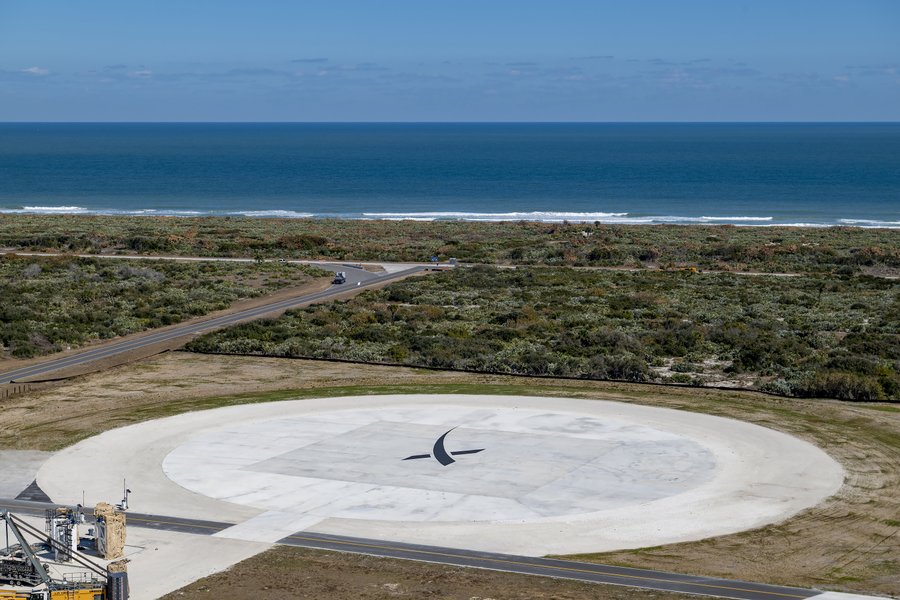
The booster touched down at Landing Zone 40 at Cape Canaveral — the company’s newest recovery site — completing the first landing at that location. Applause broke out in mission control as confirmation came through: the vehicle was upright and stable.
Recovery and reuse are central to the rocket’s design. By refurbishing and flying boosters multiple times, operators aim to lower launch costs and increase access to space. Industry analysts say the economic implications are significant. Manufacturing a first stage accounts for a substantial portion of total launch expenses. Reusing that hardware spreads costs across multiple missions.
The landing also demonstrated growing confidence in precision guidance systems. Bringing a rocket stage back from the edge of space to a pinpoint landing site requires exact timing and control. Engineers describe the process as similar to balancing a pencil on its tip — but while it is falling.
Cape Canaveral has witnessed decades of space history, from early Mercury missions to shuttle launches. The addition of Landing Zone 40 reflects an evolving era, where recovery pads sit alongside traditional launch complexes. What was once experimental has become operational.

Officials say continued reuse will support a higher launch cadence in the years ahead. Each successful landing adds data, experience and refinement to the process.
For observers on the ground, the moment was both technical and symbolic: a rocket rising toward orbit and then returning home intact.
In the language of spaceflight, it was another mission completed. In the broader story of aerospace engineering, it marked a step toward a more sustainable model of reaching space — one in which rockets do not simply launch and vanish, but land, refuel, and fly again.